 Minuteman Medicine
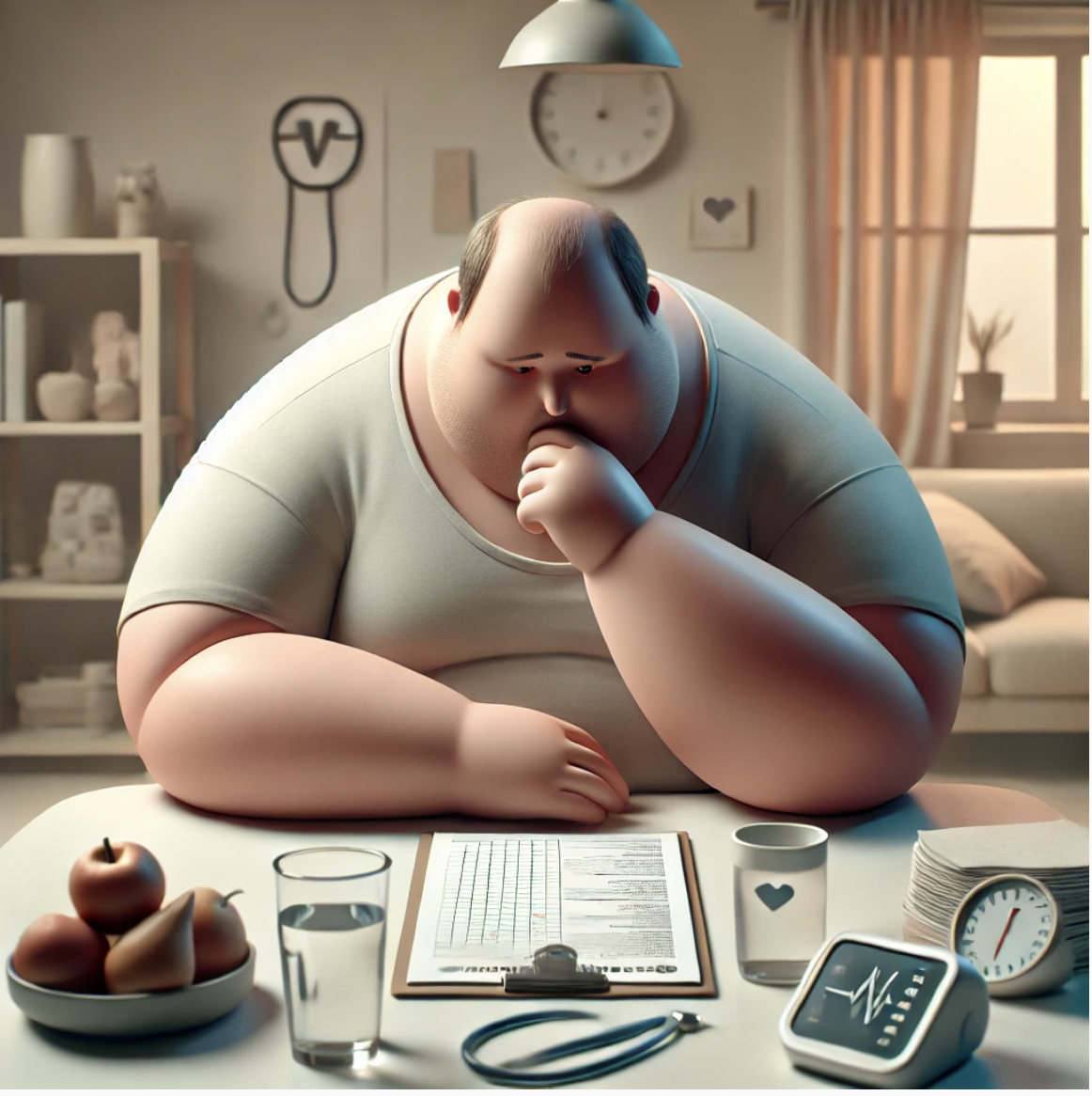
Obesity is a health condition that happens when someone has too much body fat. It can make it harder for the body to stay healthy and can lead to other problems. Let’s learn about how obesity affects health and what we can do to prevent or treat it!
Here in Eastern Kentucky, obesity touches nearly every family. Kentucky has one of the highest adult obesity rates in the country, with well over a third of adults affected. That isn’t a judgment. It’s a starting point. Obesity is a chronic medical condition, not a character flaw, and it deserves the same honest, practical care as high blood pressure or diabetes.
How Do We Measure Obesity?
The most common screening tool is BMI (body mass index), which compares your weight to your height:
- 18.5–24.9: healthy weight range
- 25–29.9: overweight
- 30 or higher: obesity
BMI isn’t perfect. It doesn’t tell muscle from fat, so a muscular farmer or athlete can score high. That’s why we also look at your waist size. Belly fat is the most dangerous kind, and a waist over about 40 inches for men or 35 inches for women raises your risk for heart disease and diabetes even if your BMI looks okay. We also check labs like blood sugar, A1c, cholesterol and liver tests to see how your weight is affecting what’s going on inside.
How Obesity Can Hurt Your Health
Being overweight can cause problems with your body, including:
- Heart problems: It can make your heart work harder, leading to high blood pressure, high cholesterol, heart disease and stroke.
- Diabetes: Extra weight can make it harder for your body to manage sugar, leading to prediabetes and Type 2 diabetes.
- Breathing problems: Obesity can cause issues like sleep apnea, where breathing stops and starts during sleep. If you snore loudly or wake up tired, tell us.
- Joint pain: Extra weight puts pressure on your knees and hips, causing pain. Every pound you lose takes about four pounds of pressure off your knees with each step.
- Fatty liver: Extra fat can build up in the liver and, over time, cause scarring.
- Other problems: acid reflux, depression, fertility problems and a higher risk of several cancers.
These problems can make it harder to live a healthy, happy life. The encouraging part: losing just 5 to 10 percent of your body weight (10 to 20 pounds for a 200-pound person) can lower blood pressure, improve blood sugar and ease joint pain.
What Causes Obesity?
Obesity happens when a person eats more calories than they burn through activities or exercise over time. Some common causes include:
- Eating too many sugary, processed or high-fat foods, especially fast food and sweet drinks.
- Not moving enough during the day.
- Poor sleep and ongoing stress, which change the hormones that control hunger.
- Certain health conditions (like low thyroid) or medications (like some steroids, antidepressants and diabetes medicines).
- Family history of obesity.
How Can We Prevent Obesity?
The good news is that small changes can help prevent obesity. Try these tips:
- Eat healthy foods: Add more fruits, vegetables, whole grains, beans, nuts and lean protein to your meals. This is the number 1 thing that will help prevent and start to reverse obesity! A simple rule: fill half your plate with vegetables and fruit, a quarter with protein and a quarter with whole grains. Cook at home when you can, and cut back on processed and fried foods.
- Stay active: Do fun activities like walking, dancing, gardening or playing outside every day. This is the second most important thing you can do! Aim for about 150 minutes a week, which is just 30 minutes, five days a week. If that sounds like a lot, start with a 10-minute walk after supper and build from there.
- Drink water: Choose water instead of sugary drinks like soda, sweet tea, energy drinks or juice. One 20-ounce soda has around 16 teaspoons of sugar.
- Get enough sleep: Sleep helps your body stay balanced and healthy. Most adults need 7 to 9 hours.
- Watch portions: Use smaller plates, eat slowly, and stop when you’re satisfied, not stuffed.
What Are the Treatments for Obesity?
If someone is already obese, there are ways to help them feel better and get healthier:
- Eating plans: A doctor or dietitian can help create a meal plan that works for them, their budget and their family.
- Exercise programs: Regular activity can help burn calories, build strength and keep weight off once it’s lost.
- Medications: Sometimes, doctors recommend medicine to help manage weight. Newer medicines, such as GLP-1 medications, can be very effective for the right patient, but they work best alongside healthy eating and activity, not instead of them.
- Weight loss programs: Support groups or clinics can offer guidance, accountability and encouragement.
- Surgery: For some people with severe obesity, weight loss surgery may be an option, and we can help you decide if a referral makes sense.
At Minuteman Medicine, we offer weight loss programs and medication, both. As a lifestyle medicine practice, we focus first on the root causes (food, movement, sleep and stress) and add medication when it will help. We’ll check your labs, look for medical causes, and build a plan with regular follow-ups so you aren’t doing it alone.
Why It’s Important to Stay Healthy
Taking care of our bodies helps us avoid health problems and feel our best. Eating well, staying active, and visiting the doctor regularly can make a big difference. Healthy weight is a journey, not a race. Slow, steady progress of 1 to 2 pounds a week is the kind that lasts.
If you have questions about obesity or need help getting started on a healthier path, visit us today! We see patients Monday through Thursday, take walk-ins, and do our best to see you within 24 hours. Together, we can make healthy choices and build a brighter future! Call 606-949-1006.
This article is for general education and is not a substitute for medical advice. Talk with your provider before changing medicines or treatment. Questions? Call Minuteman Medicine at 606-949-1006.