 Minuteman Medicine
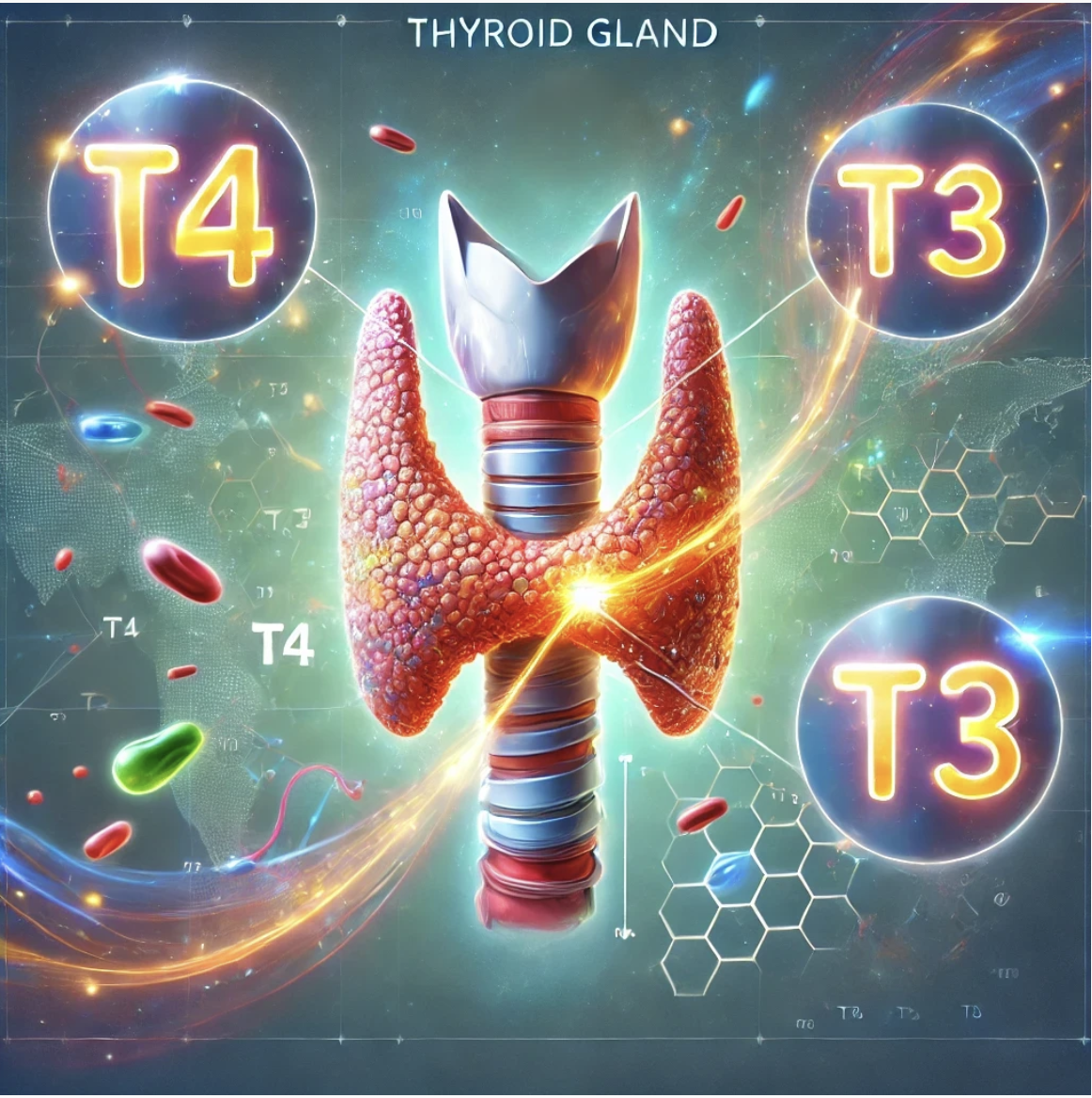
Your thyroid is a small gland in your neck that helps control your body’s energy. If it makes too much hormone, it’s called hyperthyroidism. This can make your body speed up, causing problems that affect how you feel every day. Let’s break it down!
Hyperthyroidism affects about 1 in 100 Americans. Women are several times more likely to get it than men, and it often shows up between ages 20 and 40, though it can start at any age. In older adults the signs can be quiet. Instead of feeling wired, an older person may just feel tired, lose weight, or develop an irregular heartbeat, so it’s easy to miss.
What Causes Hyperthyroidism?
Hyperthyroidism can happen for a few reasons:
- Graves’ disease: The most common cause, where your immune system tells your thyroid to make too much hormone. It runs in families and is more common in people who smoke.
- Thyroid nodules: Small lumps in the thyroid that produce extra hormones. This is more common as we get older.
- Too much iodine: Eating or taking too much iodine, including some supplements, kelp, and certain medicines like amiodarone, can make your thyroid overactive.
- Thyroiditis: This is when the thyroid gets inflamed and leaks hormones. It can happen after pregnancy or a viral illness and often settles on its own, sometimes swinging to underactive afterward.
- Too much thyroid medicine: Taking more thyroid hormone than you need can cause the same symptoms, which is one reason we recheck levels.
What Are the Symptoms?
When your thyroid is working too hard, you might feel:
- Nervous, anxious, or irritable
- Fast heartbeat or pounding chest
- Shaky hands
- Trouble sleeping
- Weight loss without trying, even though you’re eating normally
- Feeling very hot or sweaty
- More frequent bowel movements
- Weak muscles, especially in the thighs and upper arms
- Lighter or less frequent periods
- Bulging, gritty, or irritated eyes (in some cases, mostly Graves’ disease)
These symptoms can come on slowly or quickly, so it’s important to pay attention if they stick around. Hyperthyroidism can look a lot like an anxiety disorder, so if you’ve been told it’s “just anxiety” and it isn’t getting better, a thyroid test is a simple way to be sure.
How Is It Diagnosed?
A simple blood test is where we start:
- TSH (thyroid stimulating hormone): This is the main screening test. When your thyroid makes too much hormone, your brain turns TSH down, so a low TSH usually means an overactive thyroid.
- Free T4 and free T3: These are the thyroid hormones themselves. High levels confirm the diagnosis.
- Thyroid antibodies: These help show whether Graves’ disease is the cause.
If the cause isn’t clear, we may order a thyroid scan with an uptake test, or an ultrasound to look at nodules. Some people have a low TSH with normal T4 and T3. This is called subclinical hyperthyroidism, and whether it needs treatment depends on your age, symptoms, heart rhythm, and bone health.
Tip: Biotin (found in many hair, skin, and nail supplements) can throw off thyroid blood tests. Stop it for 2 to 3 days before your lab draw.
What Happens If It’s Not Treated?
Without treatment, hyperthyroidism can lead to:
- Heart problems, like an irregular heartbeat (atrial fibrillation), which raises the risk of stroke, and in severe cases heart failure
- Osteoporosis, or weak bones, because too much thyroid hormone speeds up bone loss
- Thyroid storm, a dangerous and life-threatening emergency with high fever, a very fast heartbeat, confusion, and vomiting. Call 911 if this happens
- Vision problems, especially with Graves’ disease
- Problems in pregnancy, so tell us if you are pregnant or planning to be
How Is It Treated?
There are several ways to treat hyperthyroidism, depending on the cause, your age, and your health:
- Medicine: Anti-thyroid drugs, such as methimazole, help slow down how much hormone your thyroid makes. We check blood work regularly while you’re on them. Some people with Graves’ disease go into lasting remission after 12 to 18 months.
- Radioactive iodine: This treatment destroys part of the thyroid to stop it from making too much hormone. Many people end up underactive afterward and need a daily thyroid pill for life. It isn’t used during pregnancy.
- Surgery: In some cases, doctors may remove part or all of the thyroid, such as with a very large nodule or goiter.
- Beta-blockers: These don’t fix your thyroid but can quickly calm symptoms like a fast heartbeat, shakiness, and anxiety while other treatment takes effect.
Are There Natural Ways to Help?
Medical treatment is key, but some natural approaches can support you along the way:
- Avoid too much iodine: Skip kelp and seaweed supplements, and check labels on multivitamins and hair, skin, and nail products unless your doctor says otherwise.
- Eat well: Your body is burning more energy, so get enough calories, protein, calcium, and vitamin D to protect your muscles and bones.
- Limit caffeine: Coffee and energy drinks can make a racing heart, shakiness, and poor sleep worse.
- Don’t smoke: Smoking raises the risk of Graves’ eye disease and makes it worse.
- Practice stress management: Yoga, meditation, and deep breathing can help with symptoms like anxiety.
- Exercise gently: Light activities like walking can help, but avoid high-intensity workouts until your heart rate and levels are under control.
- Stay hydrated to support overall health, especially if you’re sweating a lot.
When to See a Doctor
If you have symptoms of hyperthyroidism, don’t wait. Talk to your doctor. A blood test can check your thyroid hormone levels and help figure out the best treatment for you. Get care right away for a very fast or irregular heartbeat, chest pain, trouble breathing, or confusion with fever.
Hyperthyroidism can be managed with the right care. Take the first step toward feeling better by getting checked today!
This information is brought to you by Minuteman Medicine. We’re here to help you keep your thyroid and your health on track!
This article is for general education and is not a substitute for medical advice. Talk with your provider before changing medicines or treatment. Questions? Call Minuteman Medicine at 606-949-1006.