 Minuteman Medicine
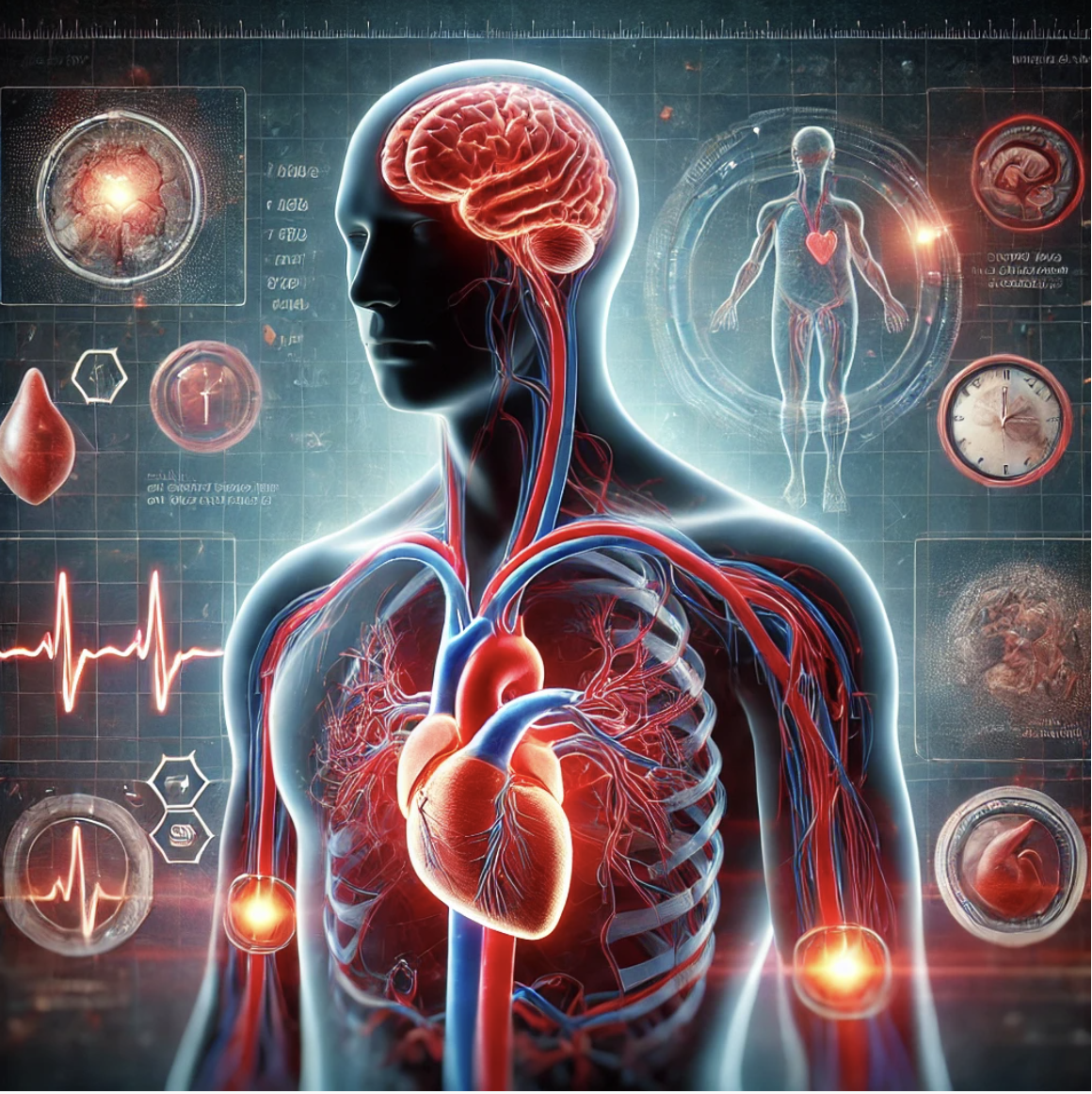
Hypertension, also called high blood pressure, is when the blood in your body pushes too hard against your blood vessels. If it’s not treated, it can cause serious health problems. Let’s learn what causes it, how to spot it, and how to take care of it.
Nearly half of American adults have high blood pressure, and Kentucky has some of the highest rates in the country. Many people who have it don’t know it. The good news is that high blood pressure is one of the most treatable conditions in medicine, and every point you bring it down lowers your risk of a heart attack or stroke.
What Do the Numbers Mean?
A blood pressure reading has two numbers, like 120/80. The top number (systolic) is the pressure when your heart beats. The bottom number (diastolic) is the pressure when your heart rests between beats. Here’s how doctors sort the readings:
- Normal: below 120/80
- Elevated: 120–129 on top and below 80 on the bottom
- Stage 1 hypertension: 130–139 on top or 80–89 on the bottom
- Stage 2 hypertension: 140 or higher on top or 90 or higher on the bottom
- Severe: higher than 180 on top or 120 on the bottom
One high reading doesn’t mean you have hypertension. Pain, stress, coffee, or rushing into the office can all bump it up. We diagnose it from several readings over time, and home readings help a lot.
What Causes Hypertension?
Hypertension can happen for different reasons. Some common causes include:
- Eating too much salty or unhealthy food, especially processed and restaurant food.
- Not getting enough exercise.
- Stress that lasts a long time.
- Being overweight.
- Family history, meaning it runs in your family.
- Getting older, as blood vessels stiffen with age.
- Smoking, vaping, chewing tobacco, and drinking too much alcohol.
Sometimes something else is driving it. Sleep apnea is a big one. If you snore loudly, stop breathing at night, or wake up tired, tell us. Kidney disease, thyroid problems, and some medicines and products can raise blood pressure too, including NSAID pain relievers like ibuprofen and naproxen, decongestants like pseudoephedrine, some diet pills, and energy drinks. Bring everything you take, including supplements, to your visit.
Signs and Symptoms of Hypertension
Hypertension is sometimes called the “silent killer” because it doesn’t always show symptoms. Most people feel completely fine while it quietly damages their heart, brain, and kidneys. That’s why checking it is the only way to know. But when it does cause symptoms, you might notice:
- Headaches.
- Feeling dizzy.
- Chest pain.
- Trouble breathing.
- Blurry vision.
If you feel these signs, see a doctor right away! Call 911 if your blood pressure is over 180/120 and you have chest pain, shortness of breath, weakness or numbness, trouble speaking, confusion, or vision changes. These can be signs of a heart attack or stroke.
How to Check Your Blood Pressure at Home
A home blood pressure cuff is one of the best health investments you can make. Choose one that goes on your upper arm (wrist cuffs are less accurate), and make sure the cuff is the right size for your arm. Then:
- Skip caffeine, tobacco, and exercise for 30 minutes before checking.
- Empty your bladder, then sit quietly for 5 minutes with your back supported and feet flat on the floor.
- Rest your arm on a table at heart level, with the cuff on bare skin.
- Don’t talk during the reading. Take two readings a minute apart.
- Check in the morning and evening for a week, write the numbers down, and bring the log (and your cuff) to your visit so we can check it against ours.
How Is Hypertension Treated?
There are ways to control high blood pressure and keep it from causing problems:
- Healthy Eating: Eat less salt and more fruits, vegetables, and whole grains. Aim for less than 2,300 mg of sodium a day, and closer to 1,500 mg is even better. Most of our salt comes from packaged and restaurant food, not the salt shaker, so read labels on canned goods, deli meat, frozen meals, and chips. A DASH-style eating plan (lots of vegetables, fruit, beans, nuts, and whole grains, with less red and processed meat) can lower blood pressure about as much as a medicine.
- Exercise: Stay active with walking, playing outside, or other fun activities. Aim for about 150 minutes a week, like a 30-minute walk five days a week.
- Weight Loss: If you’re overweight, losing even 10 pounds can bring your numbers down noticeably.
- Cut Back on Alcohol and Quit Tobacco: Both raise blood pressure and damage blood vessels. We can help you quit.
- Sleep: Get 7 to 9 hours, and get checked for sleep apnea if you snore or wake up tired.
- Less Stress: Find ways to relax, like deep breathing, prayer, or spending time with loved ones.
- Medicines: A doctor may give you medicine to help lower your blood pressure. Common, well-tested options include ACE inhibitors, ARBs, calcium channel blockers, and water pills (diuretics). Many people need more than one. Take them every day even when you feel fine, and never stop one on your own. If a medicine gives you side effects, tell us, because there’s almost always another option.
For most adults, the goal is a blood pressure below 130/80, but we’ll set the right target for you based on your age and other health conditions.
What Can Happen If It’s Not Treated?
If hypertension isn’t managed, it can lead to:
- Heart disease: The heart has to work harder, which can cause damage, heart attacks, and heart failure.
- Kidney problems: High blood pressure can hurt your kidneys and is one of the leading causes of kidney failure.
- Stroke: It can cause blood vessels in the brain to burst or get blocked.
- Eye problems: It can damage the tiny blood vessels in your eyes.
- Memory problems: Years of high blood pressure raise the risk of dementia.
Take Action Today!
Hypertension can be managed with healthy choices and help from your doctor. By eating well, staying active, and taking medicine if needed, you can protect your body and feel your best. Adults should have their blood pressure checked at least once a year, and more often if it’s been high before.
At Minuteman Medicine, we treat high blood pressure every day as part of our chronic disease care. As a lifestyle medicine practice, we start with the root causes (food, movement, sleep, and stress), check for hidden causes like sleep apnea, and add medicine when it will help. Our chronic care management program can also help you stay on track between visits.
If you have questions about high blood pressure, call us today at 606-949-1006 or come for a visit. We see patients Monday through Thursday, take walk-ins, and do our best to see you within 24 hours. Staying informed and making small changes can make a big difference in your health!
This article is for general education and is not a substitute for medical advice. Talk with your provider before changing medicines or treatment. Questions? Call Minuteman Medicine at 606-949-1006.