 Minuteman Medicine
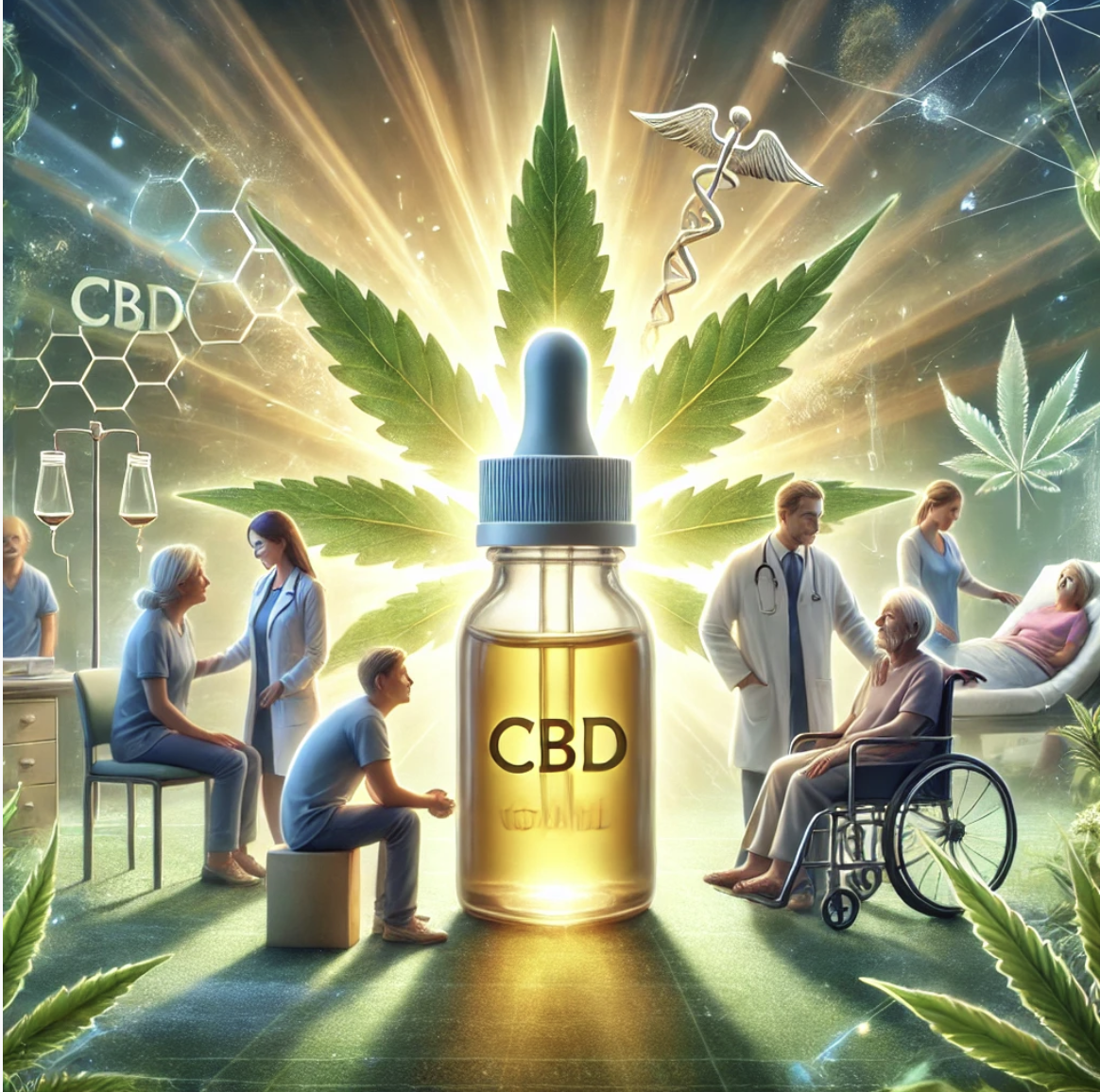
CBD (cannabidiol) has become one of the most talked-about natural remedies in recent years—and for good reason. Whether you’re dealing with pain, anxiety, or skin conditions, CBD offers a safe and versatile solution. But there’s more to the story, including the emerging uses of Delta 8 and Delta 9 THC. Let’s break it all down, from the types of CBD to the exciting new ways it’s being used, plus what to watch out for and what’s changing in the law right now.
What Is CBD?
CBD is a compound found in the cannabis plant. Unlike THC (tetrahydrocannabinol), CBD doesn’t cause a “high,” making it a safe option for those looking for relief without psychoactive effects.
Your body has its own endocannabinoid system, a network of receptors and signaling molecules that helps regulate pain, mood, sleep, appetite, and inflammation. THC acts directly on those receptors (that’s where the high comes from). CBD works more gently and indirectly, which is why it can calm things down without making you impaired.
The Types of CBD Products
CBD products fall into three main categories:
- CBD Isolate: Contains only CBD, with no other cannabinoids, terpenes, or flavonoids. Best for those who need pure CBD without THC or other compounds, such as people who get drug tested for work.
- Broad-Spectrum CBD: Contains CBD and other cannabinoids (except THC), as well as terpenes and flavonoids. Offers more benefits than CBD isolate due to the “entourage effect,” where cannabinoids work together for greater therapeutic effects.
- Full-Spectrum CBD: Contains CBD, a small amount of THC (historically 0.3% or less), terpenes, and flavonoids. Terpenes (aromatic compounds) can reduce inflammation, improve mood, and promote relaxation. Flavonoids (plant-based antioxidants) have antioxidant, anti-inflammatory, and neuroprotective benefits.
Heads up on drug tests: Even the small amount of THC in full-spectrum products can build up and cause a positive urine drug test. If you’re tested for work, truck driving, probation, or a pain management or recovery program, stick with isolate or a third-party-tested broad-spectrum product, and tell your provider what you’re taking.
10 Conditions CBD Can Help With
- Chronic pain
- Anxiety and stress
- Insomnia
- Seizures (e.g., epilepsy)
- Inflammation (e.g., arthritis)
- Skin conditions (eczema, psoriasis, acne)
- Muscle aches and pains
- Nausea and vomiting (e.g., from chemotherapy)
- Migraines
- PTSD
The strongest proof is for seizures. A prescription CBD medicine called Epidiolex is FDA-approved for certain severe childhood seizure disorders (Lennox-Gastaut syndrome, Dravet syndrome, and tuberous sclerosis complex). For pain, anxiety, and sleep, the research is still growing, and many people tell us it helps. The best way to know is to try a quality product at a steady dose for a few weeks and keep track of how you feel.
Delta 8 and Delta 9 THC
What Are Delta 8 and Delta 9?
- Delta 9 THC: The main psychoactive compound in cannabis that produces the “high.” It’s effective for pain relief, nausea, and appetite stimulation but can have strong psychogenic effects like anxiety or paranoia in some users.
- Delta 8 THC: A milder form of THC with similar benefits to Delta 9, but with less intense psychoactive effects. It’s often preferred by those looking for a more relaxed experience.
One thing most people don’t know: the cannabis plant makes only tiny amounts of Delta 8. Nearly all Delta 8 sold in stores is made in a lab by chemically converting hemp CBD. When that’s done carelessly, products can contain leftover chemicals and byproducts, and the label may not match what’s in the package. The FDA and poison control centers have reported a rise in bad reactions, especially in children who ate gummies that look like candy. If you buy it, buy from a company that posts real lab results.
Combining CBD with Delta 8/9
CBD can help balance out the psychoactive effects of Delta 8 and Delta 9, reducing feelings of anxiety or paranoia while enhancing the therapeutic benefits. A combination of these cannabinoids can be used for:
- Chronic pain
- Anxiety
- Sleep issues
- Appetite stimulation
Using THC Wisely
As an addiction medicine doctor, I want you to get the benefits without the problems. THC is a medicine for some people and a trap for others. A few common-sense rules:
- Start low and go slow. For edibles, a beginner dose is about 2.5 mg of THC. Edibles take 30 minutes to 2 hours to kick in and can last 6 to 8 hours. Don’t take more just because you don’t feel it yet. That’s how people end up in the ER.
- Never drive impaired. Delta 8 and Delta 9 both slow your reaction time.
- Skip it if you’re pregnant or breastfeeding, and be cautious if you’re under 25, since THC affects the developing brain and raises the risk of psychosis in some young people.
- Watch for warning signs. Needing more to get the same effect, using every day to function, or repeated bouts of severe vomiting that only hot showers relieve (called cannabis hyperemesis syndrome) are signs it’s time to cut back and talk with us.
- Lock it up. Keep gummies and edibles away from kids and pets.
Forms of CBD Products
CBD comes in many forms, allowing for flexibility in how you use it:
- Oils and tinctures: Taken under the tongue for fast absorption, usually within 15 to 45 minutes. Many adults start around 10 to 25 mg a day and adjust slowly.
- Edibles: Gummies and capsules are easy to use and provide long-lasting effects, though they take longer to start working.
- Vapes: For quick relief, though not suitable for everyone. As a lung doctor, I don’t recommend vaping, especially for anyone with asthma or COPD.
- Topicals: Salves, creams, and lotions for targeted relief. They work where you put them and don’t get into your bloodstream in any meaningful amount.
At Minuteman Medicine, we’re particularly fond of, and endorse, Bo’s Tractor Works CBD Salve, which we’ve found to be a game-changer for:
- Muscle aches and pains
- Eczema and psoriasis
- Poison ivy
- Acne
- Dandruff
This salve is versatile, soothing, and effective for a variety of skin and muscle issues.
The Future: Nebulized CBD
An exciting development in CBD therapy is the creation of a nebulized form. This allows CBD to be inhaled as a fine mist, offering fast absorption into the bloodstream without the need for vaping or oral consumption. We’re particularly enthusiastic about this innovation and its potential for treating respiratory conditions and providing immediate relief. It’s still being studied, so ask us before trying anything you inhale.
Is CBD Safe?
CBD is considered safe for most people, with minimal side effects such as mild fatigue, dry mouth, diarrhea, or changes in appetite. However, it’s always important to:
- Consult a healthcare provider, especially if you’re taking other medications. CBD is broken down by the same liver enzymes as many prescriptions, so it can raise the levels of drugs like blood thinners (warfarin), some seizure medicines, and some transplant medicines. At high doses it can also raise liver enzymes, so we may check your blood work.
- Use high-quality, lab-tested products to ensure purity and potency. Studies have found that many CBD products contain more or less CBD than the label says, and some contain THC that isn’t listed.
How to Pick a Quality Product
- Look for a Certificate of Analysis (COA) from an independent lab, with a batch number that matches your bottle.
- Check that the COA shows the CBD and THC amounts, plus testing for heavy metals, pesticides, mold, and leftover solvents.
- Know how much you’re getting. Look for the total milligrams of CBD per bottle and per serving.
- Be wary of big promises. Any product that claims to cure cancer, diabetes, or anything else is a red flag.
What’s Changing in the Law
The rules are shifting fast. In November 2025, Congress rewrote the federal definition of hemp to close the loophole that put strong THC gummies and drinks in gas stations and smoke shops. Starting December 11, 2026 (with some lab-made cannabinoids affected as early as November 12, 2026), hemp products with more than 0.4 mg of total THC per container, along with lab-converted cannabinoids like most Delta 8, lose their legal hemp status under federal law. That will likely include many full-spectrum CBD products, since a whole bottle often contains more than that. CBD isolate and THC-free broad-spectrum products are generally not affected. Kentucky also has its own rules, including its medical cannabis program, so ask us if you’re not sure what applies to you.
The Bottom Line
CBD is a versatile and safe option for a variety of conditions, from pain to anxiety to skin issues. Combined with Delta 8 and Delta 9 THC, it offers even more therapeutic possibilities while minimizing unwanted psychoactive effects. Use THC carefully, buy lab-tested products, and keep us in the loop about what you take. With exciting innovations like Bo’s Tractor Works CBD Salve and nebulized CBD on the horizon, there’s never been a better time to explore what CBD can do for your health.
This information is brought to you by Minuteman Medicine. We’re here to help you discover natural solutions that work for your body and your lifestyle. If you have questions about CBD products and if they could help you, call us at 606-949-1006.
This article is for general education and is not a substitute for medical advice. Talk with your provider before changing medicines or treatment. Questions? Call Minuteman Medicine at 606-949-1006.